



News & Resources
Heat Therapy & Sauna Health Benefits: Key Takeaways from Healthspan Q&A with Dr. Ashley Mason
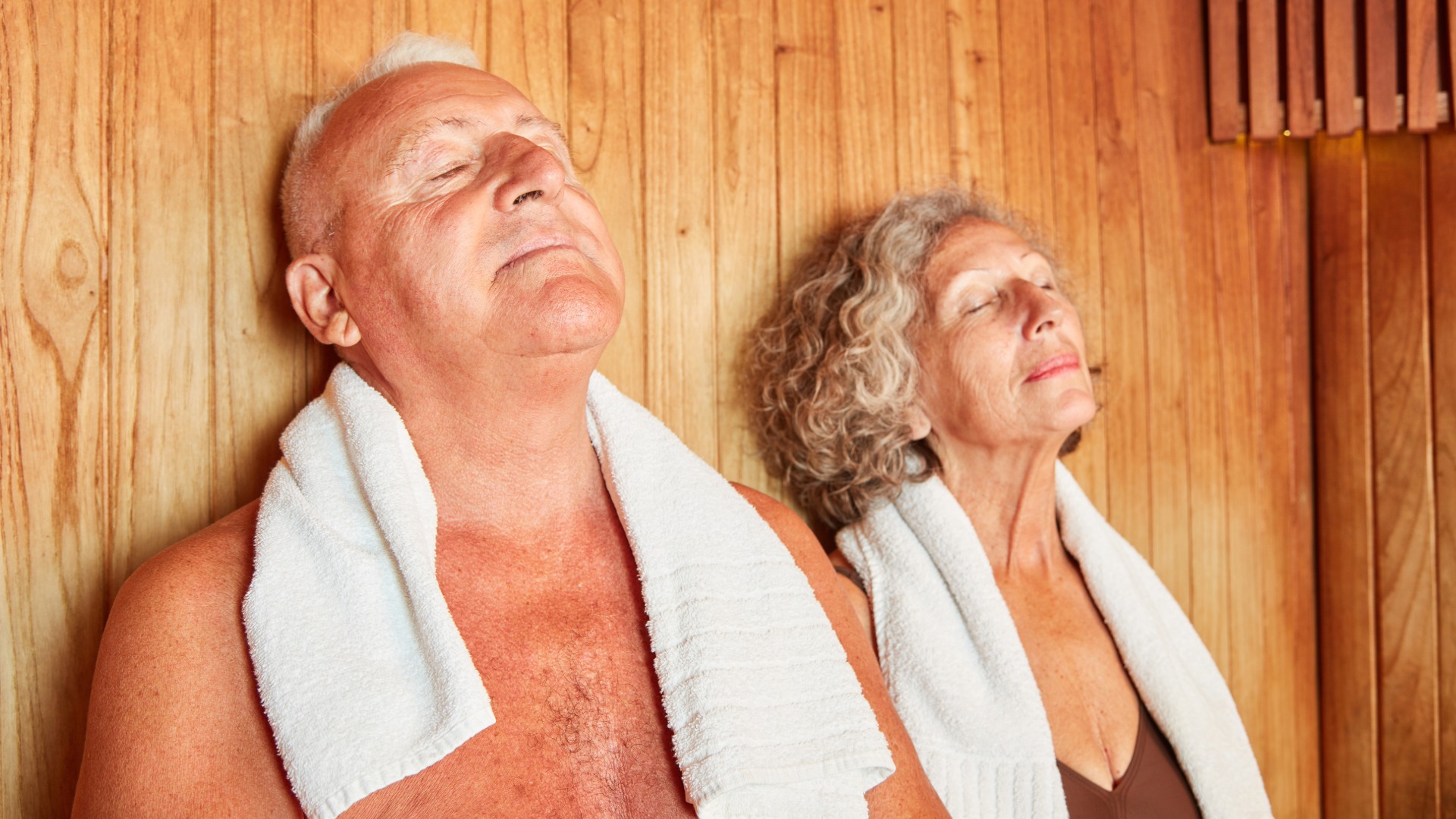
From a cardiovascular perspective, sauna use can raise heart rate, respiratory rate, and sweating in ways that mimic aerobic exercise, though we should not think of sauna as a replacement for physical activity. Research shows that frequency is the most important factor: sauna use 4–7 times per week provides greater benefit than 2–3 times per week, which is more beneficial than once weekly. Multiple shorter sessions are more effective, and a goal of total heat exposure (breaks are fine) of 19 minutes per session is ideal. The sauna experience should be sufficient to induce sweating and feeling of a heart rate increase. Sauna use following cardiovascular exercise may provide additive benefits, including improvements in VO₂ max. To avoid tangent glucose intolerance, it is recommended to limit sugar intake in the two hours before sauna and refuel afterward.
We are incredibly grateful to Dr. Ashley Mason for sharing her research and expertise, and to the Sonnenalp Club for hosting and supporting this event. If you are interested in learning how these insights can be applied in a personalized way through Healthspan, or if you’d like to stay informed about future educational events, workshops, and community offerings, we invite you to connect with our team or explore our upcoming programming.
For those interested in learning more about Dr. Mason’s research, you can explore the Sleep, Emotion, and Affective Neuroscience (SEA) Lab at UCSF.
More News
-
More
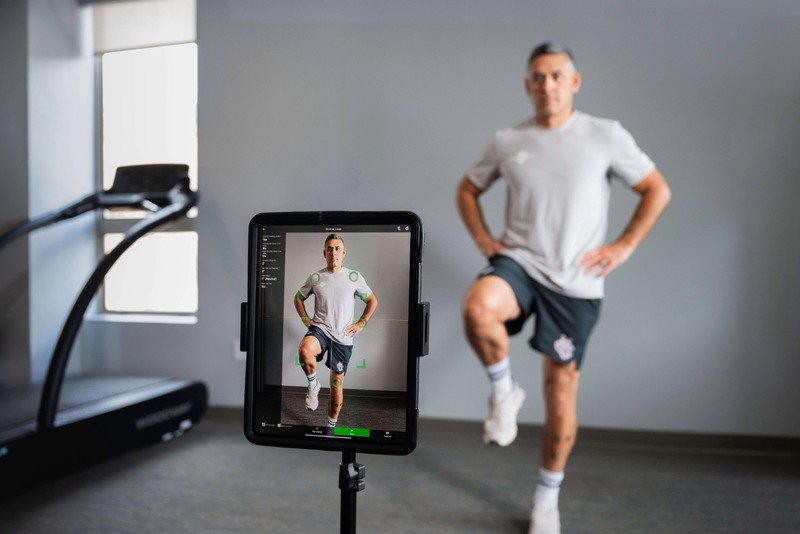
Measuring What Matters: How Your Data Drives the Future of Healthspan
At Healthspan, everything we do is built on one simple idea: what gets measured, gets improved. Every...
-
More
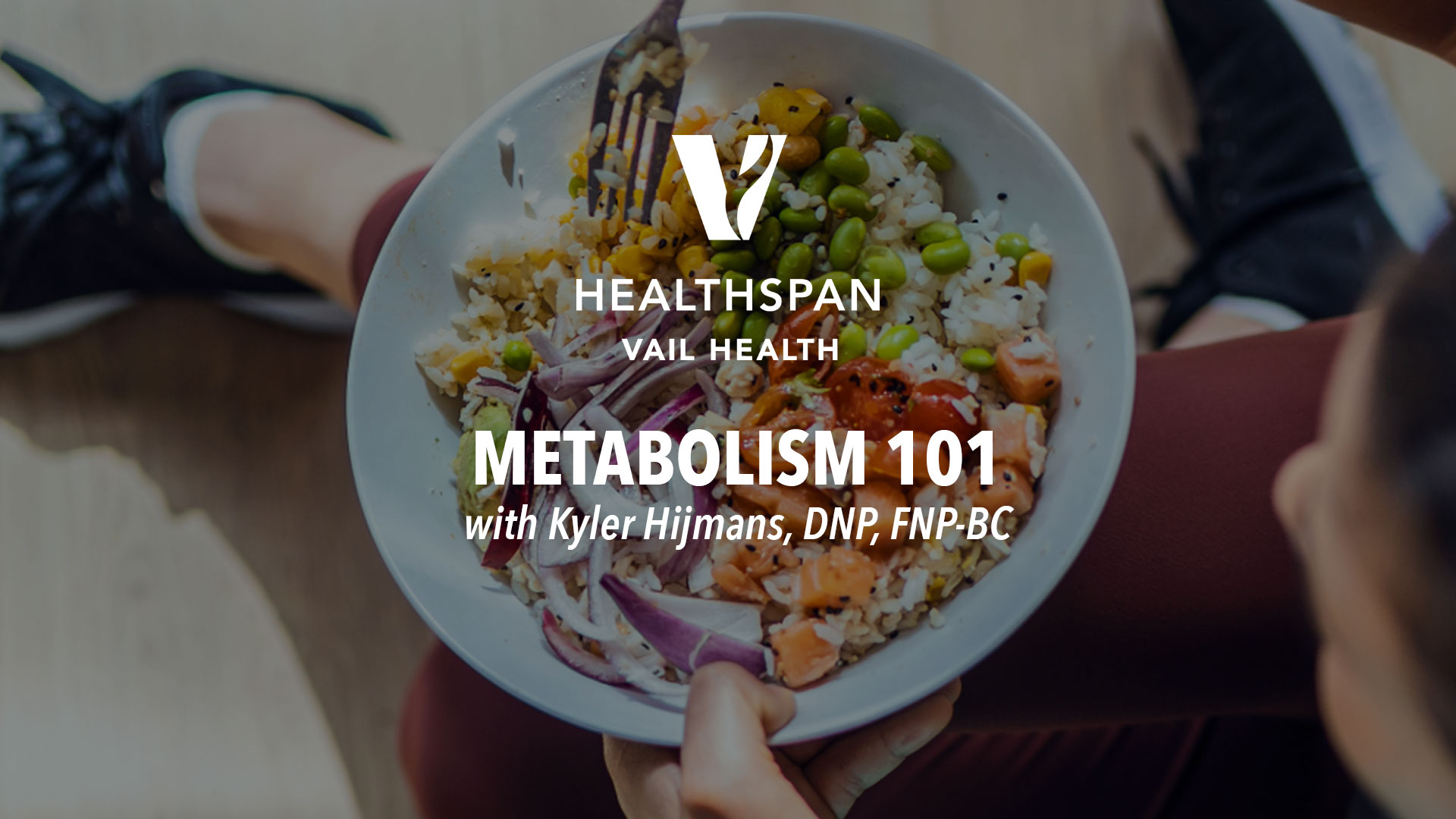
Metabolism 101 with Kyler Hijmans
Kyler Hijmans, DNP, FNP-BC | Vail Health Functional Medicine Metabolism is the...
-
More
7 Multi-Joint Exercises for Functional Strength
Functional strength training starts with mastering the movements your body was built to do. In this video, Vail...